
Pedicures are more than just beauty treatments; they’re also good for your feet! A professional pedicure will remove odor-causing bacteria, dead skin cells, and calluses while increasing circulation for improved blood flow and enhanced foot health.
At first, trying your own pedi at home may seem daunting, but the process is much simpler than expected. Just follow these simple tips for a spa-quality pedicure for your feet.
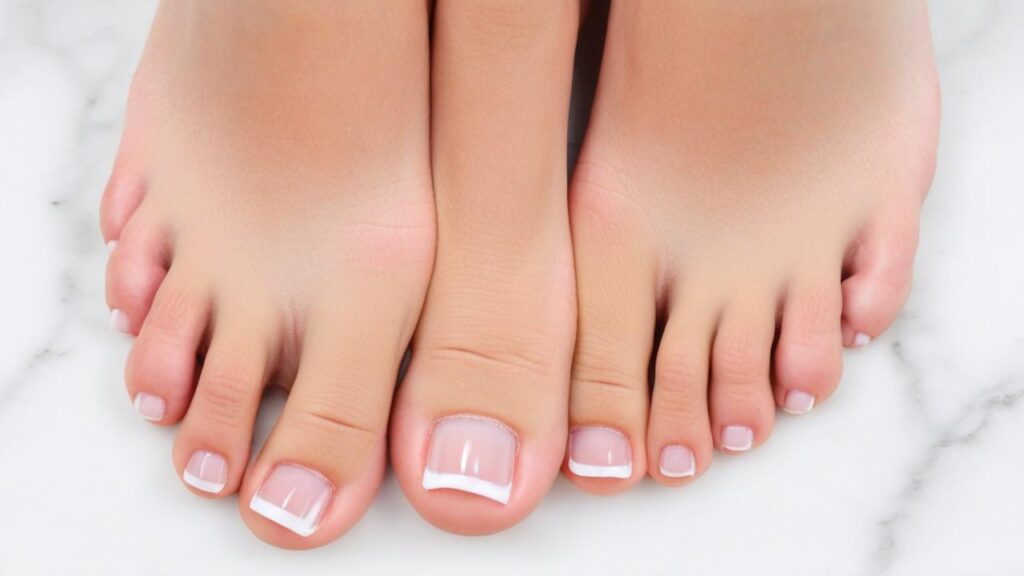
Prepare Your Supplies
Do your best to prepare before arriving at the nail salon; doing so will lead to more satisfying and effective services. Have your supplies, including candles and soothing music, to create an ambiance for a DIY pedicure station at home.
Fill a tub or foot spa large enough to hold both feet with warm water and add soothing ingredients—like sea salt and eucalyptus essential oil—for extra relaxation. Sundays’ founder recommends this.
Soak your feet for 10 minutes or so, and use a manicure stick or orangewood stick to gently push back the cuticles with your manicure stick or orangewood stick. Don’t cut your cuticles; doing so could result in damaged or ragged nails; leave this task for professional nail techs instead. After massaging some cuticle oil, such as Essie Apricot Cuticle Oil, to keep nails healthy, apply a base coat to prevent chips in the polish later.
Soak Your Feet
Starting any good pedicure is with an effective soak, designed to soften tough skin and cuticles for easier grooming steps ahead. Fill your favorite pedicure basin (or regular bathtub) with warm water, adding soothing bath salts or essential oils like tea tree oil for an enhanced experience.
Once soaked, use a gentle soap or foot cleanser to scrub away dirt and dead skin cells that have accumulated after soaking. This will aid the next steps more smoothly while also helping prevent infections or fungal growth between salon visits.
An alternative option for at-home foot soaks is mixing vinegar with warm water. This antimicrobial foot soak leaves skin feeling fresh. Just be sure to rinse away and dry completely afterward!
Trim and Shape Nails
Trim your nails to the length you prefer using nail clippers and file. Choi recommends trimming long nails to resemble their natural shape (usually somewhere between round and pointed) to reduce the risk of ingrown toenails as they grow longer.
Once your nails have been trimmed, use a nail file to gently soften their edges and prevent any bumps or snags from forming under your polish. Doing this will also help avoid any unwelcome bumps emerging during painting sessions.
Once filed, use a cotton ball saturated in non-acetone nail polish remover to cleanse each nail of any oils or residue that could prevent its polish from adhering properly. Although this step is optional, it will ensure your pedicure lasts as long as possible. Finish it off by applying a base coat that prevents any color from chipping too soon before adding a clear top coat; one that contains shea butter and avocado oil might even make this more durable top coat option an even better idea.
Care for Cuticles
After completely drying your nails, apply a thin coat of cuticle oil. This step helps prevent your polish from chipping prematurely; nail oils can be found at beauty supply stores or drugstores; however, basic vegetable oils (olive, jojoba, or apricot oil are suitable alternatives). Using darker nail polish hues is essential since staining or yellowing could occur otherwise.
Cuticles are small strips of skin found at the base of your nails between your lunula and eponychium that contain living skin cells. It’s important to properly maintain and care for your cuticles to avoid bleeding, ingrown toenails, or infection from cutting them or over-filing. Instead, Yankee recommends gently pushing back skin with a soft pusher; any too harsh could cause microtrauma; gentle pumice stone scrubbing can also be an effective alternative to harsh grater styles like harsh graters – gentle pushers don’t hurt either!
Exfoliate and Smooth Skin
Pedicures may be best known as relaxing spa experiences. Still, they also serve a practical purpose: pedicures can trim and shape nails, remove calluses from feet, and clean both skin and nails simultaneously.
Regular pedicures can help protect and promote the health of feet by helping to avoid infections and detect any changes or abnormalities in their appearance.
Avoid overexfoliating your skin to protect its delicate structure. Exfoliate only as needed to shed dead skin cells and soften your feet; excessive exfoliating could result in irritation, redness, and even cracking of the foot skin.
Use a foot scrub or exfoliating brush to eliminate dead skin and calluses on your feet. Beware of using razors or other tools that could cut into the soft skin of your feet! Once exfoliating is complete, be sure to moisturize your feet using something such as Adessa-30 Heel Liniment, which contains shea butter, jojoba oil, and other essential oils to hydrate them further and maintain their suppleness.
Moisturize Your Feet
While you soak your feet, apply a thick body lotion with rich nutrients to your toes and ankles to keep skin hydrated after all the scrubbing and soaking and smooth rough spots and calluses. This will also help soften rough patches on callus-prone spots!
If you’re in a rush, an esthetician such as Leanne Fagan suggests using a nail polish remover pad saturated with rubbing alcohol to quickly clean each nail surface, suggesting this product is a quick, safe, and efficient way to use at home.
Once your nails are dry, Brittney Glass recommends applying a layer of cuticle oil. This will hydrate your cuticles and extend the color of your pedicure – it should also help hydrate feet that may have become rough over time! She suggests choosing one from a wellness brand packed with essential fatty acids for soft, healthy feet.
Prep Nails for Polish
At-home pedicures require polish as the last step, with several layers applied before proceeding to prevent clumping and streaking. Applying cuticle oil before painting your nails can also help keep them from lifting, explains esthetician Sana Dhanani.
She recommends applying oil with a cotton pad (not a ball) and leaving it for 60 seconds before pushing back cuticles using either metal or wooden nail pusher sticks. You can also use nail nippers to cut away dead skin around nails–just be careful not to accidentally damage live tissue!
Filing your nails properly means filing them straight across rather than rounded, which could lead to ingrown toenails. If you have trouble with calluses, try using a foot file that will smooth away rough skin without being too harsh on your nails. Once finished, seal off your pedi with a quick-drying top coat for protection and long-lasting beauty!
Apply Nail Polish
As the final step of your pedicure, apply a top coat. This will extend its durability while giving it an exquisite, shiny finish.
Provided you have all the supplies, performing a DIY at-home pedicure is as straightforward (if not simpler!) as getting it from a nail salon. Lin recommends keeping nail clippers, files, cuticle oil, polish remover, and some beautiful springtime nail colors handy to complete this experience.
An extra bit of preparation goes a long way: before painting your nails, use a cotton pad soaked in rubbing alcohol to wipe down each surface and remove any oily residue that could prevent the polish from adhering properly. You may also add cuticle oil as part of this step to extend its effectiveness even more.
Once your feet are clean and dry, apply a generous dollop of moisturizer. Massage them for several minutes to promote circulation and help the moisturizer absorb into their pores faster.


Mehrscheiben-Isolierglas (MIG), auch als Wärmedämmverglasung
oder Isolierverglasung bezeichnet, ist ein aus nicht alleine Glasscheiben zusammengesetztes
Bauelement für Fenster et alia Verglasungen.
Zwischen den Scheiben befindet sich ein Hohlraum,
der gas- und feuchtigkeitsdicht verschlossen ist und der Schall- und Wärmedämmung
dient. In den ersten Jahrzehnten seit Aufkommen von Mehrscheiben-Isolierglas (1950er bis 1970er Jahre) hatte die Marke Thermopane im deutschen Sprachraum
eine große Verbreitung. Vorläufer waren die Doppelverglasung ohne Luftabschluss, das
Verbundfenster und die doppelte Einzelverglasung beim Kasten- oder beim Winterfenster.
Der Name wurde zeitweilig zum Synonym für Zweischeiben-Isolierglas.
Als Produktbezeichnung werden auch die Ausdrücke Klimaschutzglas, Thermoglas, Wärmedämmglas oder Wärmeschutzglas verwendet.
Ausdrücke wie Sonnenschutzglas, Sichtschutzglas, Einbruchschutzglas oder
Schallschutzglas bezeichnen in Summe ein Mehrscheiben-Isolierglas mit
speziellen zusätzlichen Eigenschaften, obgleich eine einzelne Flachglaskonstruktion diese ebenfalls haben kann.
Entgegen wärmeren Klimazonen steht in Zentral- und Nordeuropa bei
wärmedämmenden Fenstern weniger die Reduzierung der erforderlichen Kühlungsenergie (hohe Betriebskosten von Klimaanlagen), als vielmehr eine
wesentliche Einsparung bei der Heizenergie für Gebäude im Vordergrund.
Meistens liegt beim Fensterkauf der Fokus auf der Wärmedämmung und vielleicht noch dem Schallschutz.
Dabei gibt es heutzutage so viele verschiedene Möglichkeiten, um den Fensterschutz zu erhöhen. Besonders gekippte Fenster lassen sich leicht öffnen. Aber auch
geschlossene Fenster ohne zusätzlichen Schutz können gewöhnlich aufgehebelt, eingedrückt oder einschlagen werden.
Im Vergleich zu dem einflügeligen oder feststehenden Fenster bietet ein doppelflügeliges Fenster mehr Angriffsfläche und mehr Möglichkeiten für Einbrecher.
Das liegt daran, dass die Rollzapfen, die im Fenster
verbaut werden, zwar fürt Abdichten des Fensters sorgen, aber keinen mechanischen Schutz bei einem Einbruch bieten.
Für diesen Zweck gibt es spezielle Beschläge wie z.
B. Haltebänder, Scharniere und absperrbare Fenstergriffe, die Ihr Fenster einbruchsicher machen. Ergänzend dazu gibt es Schwenk- und Klappriegel und verschiedene mechanische Schlösser, die
zur Fenstersicherung angebracht werden können und sogar Doppelfenster ohne Mittelsteg sichern.
Ein Aluminiumfenster ist am stabilsten und bietet auf diesem Gebiet den meisten Schutz.
Eine weitere Möglichkeit ein Doppelflügelfenster zu schützen ist das Sicherheitsglas.
Die Stabilität des Rahmens spielt auch bei der Einbruchsicherheit
eine große Rolle. Die Beständigkeit der Sicherheitsverglasung wird
in verschiedene Widerstandsklassen eingeteilt.
In Erscheinung treten sowohl durchwurfhemmendes als auch durchbruchhemmendes Sicherheitsglas.
What’s up, the whole thing is going sound here and ofcourse every one is sharing information, that’s actually excellent, keep
up writing.
Größe / Maße von Bonrollen – Worauf muss ich achten? Die Breite, der Rollen-Durchmesser und der Durchmesser des Kerns lassen sich bei einer vorhandenen Bonrolle mit einem Lineal leicht nachmessen. Es empfiehlt sich Sie werfen einen Hinsehen unsere Infografik, annäherungsweise
Maße korrekt bestimmen zu können. Auch beim Rollen-Durchmesser sollten Sie auf hohe Genauigkeit achten – hiermit Unterschied, dass Bon Rollen mit kleinerem
Durchmesser egal in Ihr Gerät passen. Bei der Breite ist eine hohe Genauigkeit erforderlich, hier
sollten Messungenauigkeiten von 1-2 Millimeter nicht
überschritten werden. Die Angabe der Länge korreliert hiermit Durchmesser – je größer der Durchmesser, desto
länger die Bonrolle. Diese Bonrollen werden eingehängt (nicht eingelegt) und benötigen daher einen ausreichend großen Kern. Der Durchmesser des Kerns / der Hülse ist
eigentlich nur wichtig, wenn Sie Bon Rollen für Automaten oder Kiosk-Drucker suchen. Benötige ich Thermo-Bonrollen oder Bonrollen aus Normalpapier?
Thermobonrollen benötigen Sie, wenn in Ihrem Gerät ein Thermodrucker verbaut ist.
Good post. I’m dealing with a few of these issues as well..
Howdy! This blog post could not be written any better!
Going through this article reminds me of my previous roommate!
He always kept preaching about this. I most certainly will
send this post to him. Fairly certain he will have a good read.
Thank you for sharing!
Very good write-up. I absolutely love this site. Continue the good work!
naturally like your website however you have to check the spelling on several of your posts.
A number of them are rife with spelling issues and I in finding it very troublesome to tell the truth however I’ll surely
come again again.
These are genuinely enormous ideas in on the topic of blogging.
You have touched some fastidious factors here. Any way keep up wrinting.
Hi, Neat post. There’s an issue along with your website in internet explorer, would
check this? IE nonetheless is the market leader and a good component of people will pass over your wonderful writing because of this problem.
Hello to every one, it’s genuinely a good for me to visit this site, it consists of important Information.
You need to be a part of a contest for one of the best sites
on the internet. I am going to recommend this blog!
Hi there fantastic website! Does running a blog like this take a great deal of work?
I’ve no understanding of computer programming but I
had been hoping to start my own blog soon. Anyway, if you have any recommendations or tips for new
blog owners please share. I understand this is off subject
but I simply wanted to ask. Thanks!
Great blog! Do you have any tips and hints for aspiring writers?
I’m planning to start my own site soon but I’m a little lost on everything.
Would you propose starting with a free platform like WordPress or go for a paid option?
There are so many options out there that I’m totally overwhelmed ..
Any suggestions? Kudos!
Nice post. I was checking continuously this weblog and I’m inspired!
Very useful info particularly the final phase 🙂 I care for such info much.
I was looking for this certain info for a very lengthy time.
Thank you and best of luck.
What’s up, this weekend is nice in support of me, since
this time i am reading this enormous educational
paragraph here at my home.
Feel free to visit my blog post :: download s128
This design is spectacular! You definitely know how to keep a reader entertained.
Between your wit and your videos, I was almost moved to start my own blog (well, almost…HaHa!) Fantastic job.
I really enjoyed what you had to say, and more than that, how you presented it.
Too cool!
Asking questions are truly fastidious thing if you are not understanding something fully, but this article offers pleasant understanding yet.
Hey very nice blog!
Wonderful beat ! I would like to apprentice even as you amend
your website, how can i subscribe for a blog website?
The account helped me a acceptable deal. I had been tiny bit
acquainted of this your broadcast provided brilliant transparent idea