
Pedicures are more than just beauty treatments; they’re also good for your feet! A professional pedicure will remove odor-causing bacteria, dead skin cells, and calluses while increasing circulation for improved blood flow and enhanced foot health.
At first, trying your own pedi at home may seem daunting, but the process is much simpler than expected. Just follow these simple tips for a spa-quality pedicure for your feet.
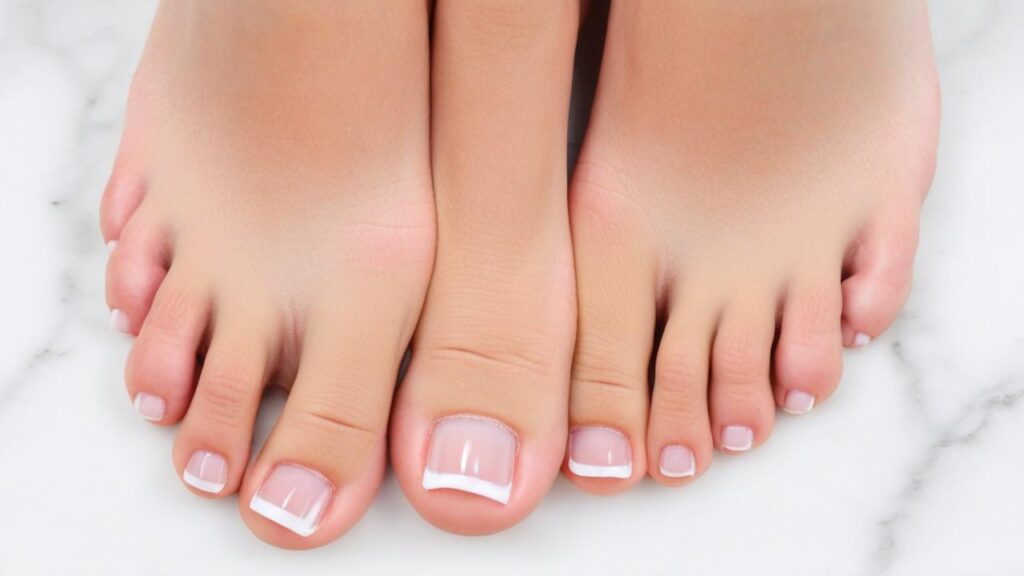
Prepare Your Supplies
Do your best to prepare before arriving at the nail salon; doing so will lead to more satisfying and effective services. Have your supplies, including candles and soothing music, to create an ambiance for a DIY pedicure station at home.
Fill a tub or foot spa large enough to hold both feet with warm water and add soothing ingredients—like sea salt and eucalyptus essential oil—for extra relaxation. Sundays’ founder recommends this.
Soak your feet for 10 minutes or so, and use a manicure stick or orangewood stick to gently push back the cuticles with your manicure stick or orangewood stick. Don’t cut your cuticles; doing so could result in damaged or ragged nails; leave this task for professional nail techs instead. After massaging some cuticle oil, such as Essie Apricot Cuticle Oil, to keep nails healthy, apply a base coat to prevent chips in the polish later.
Soak Your Feet
Starting any good pedicure is with an effective soak, designed to soften tough skin and cuticles for easier grooming steps ahead. Fill your favorite pedicure basin (or regular bathtub) with warm water, adding soothing bath salts or essential oils like tea tree oil for an enhanced experience.
Once soaked, use a gentle soap or foot cleanser to scrub away dirt and dead skin cells that have accumulated after soaking. This will aid the next steps more smoothly while also helping prevent infections or fungal growth between salon visits.
An alternative option for at-home foot soaks is mixing vinegar with warm water. This antimicrobial foot soak leaves skin feeling fresh. Just be sure to rinse away and dry completely afterward!
Trim and Shape Nails
Trim your nails to the length you prefer using nail clippers and file. Choi recommends trimming long nails to resemble their natural shape (usually somewhere between round and pointed) to reduce the risk of ingrown toenails as they grow longer.
Once your nails have been trimmed, use a nail file to gently soften their edges and prevent any bumps or snags from forming under your polish. Doing this will also help avoid any unwelcome bumps emerging during painting sessions.
Once filed, use a cotton ball saturated in non-acetone nail polish remover to cleanse each nail of any oils or residue that could prevent its polish from adhering properly. Although this step is optional, it will ensure your pedicure lasts as long as possible. Finish it off by applying a base coat that prevents any color from chipping too soon before adding a clear top coat; one that contains shea butter and avocado oil might even make this more durable top coat option an even better idea.
Care for Cuticles
After completely drying your nails, apply a thin coat of cuticle oil. This step helps prevent your polish from chipping prematurely; nail oils can be found at beauty supply stores or drugstores; however, basic vegetable oils (olive, jojoba, or apricot oil are suitable alternatives). Using darker nail polish hues is essential since staining or yellowing could occur otherwise.
Cuticles are small strips of skin found at the base of your nails between your lunula and eponychium that contain living skin cells. It’s important to properly maintain and care for your cuticles to avoid bleeding, ingrown toenails, or infection from cutting them or over-filing. Instead, Yankee recommends gently pushing back skin with a soft pusher; any too harsh could cause microtrauma; gentle pumice stone scrubbing can also be an effective alternative to harsh grater styles like harsh graters – gentle pushers don’t hurt either!
Exfoliate and Smooth Skin
Pedicures may be best known as relaxing spa experiences. Still, they also serve a practical purpose: pedicures can trim and shape nails, remove calluses from feet, and clean both skin and nails simultaneously.
Regular pedicures can help protect and promote the health of feet by helping to avoid infections and detect any changes or abnormalities in their appearance.
Avoid overexfoliating your skin to protect its delicate structure. Exfoliate only as needed to shed dead skin cells and soften your feet; excessive exfoliating could result in irritation, redness, and even cracking of the foot skin.
Use a foot scrub or exfoliating brush to eliminate dead skin and calluses on your feet. Beware of using razors or other tools that could cut into the soft skin of your feet! Once exfoliating is complete, be sure to moisturize your feet using something such as Adessa-30 Heel Liniment, which contains shea butter, jojoba oil, and other essential oils to hydrate them further and maintain their suppleness.
Moisturize Your Feet
While you soak your feet, apply a thick body lotion with rich nutrients to your toes and ankles to keep skin hydrated after all the scrubbing and soaking and smooth rough spots and calluses. This will also help soften rough patches on callus-prone spots!
If you’re in a rush, an esthetician such as Leanne Fagan suggests using a nail polish remover pad saturated with rubbing alcohol to quickly clean each nail surface, suggesting this product is a quick, safe, and efficient way to use at home.
Once your nails are dry, Brittney Glass recommends applying a layer of cuticle oil. This will hydrate your cuticles and extend the color of your pedicure – it should also help hydrate feet that may have become rough over time! She suggests choosing one from a wellness brand packed with essential fatty acids for soft, healthy feet.
Prep Nails for Polish
At-home pedicures require polish as the last step, with several layers applied before proceeding to prevent clumping and streaking. Applying cuticle oil before painting your nails can also help keep them from lifting, explains esthetician Sana Dhanani.
She recommends applying oil with a cotton pad (not a ball) and leaving it for 60 seconds before pushing back cuticles using either metal or wooden nail pusher sticks. You can also use nail nippers to cut away dead skin around nails–just be careful not to accidentally damage live tissue!
Filing your nails properly means filing them straight across rather than rounded, which could lead to ingrown toenails. If you have trouble with calluses, try using a foot file that will smooth away rough skin without being too harsh on your nails. Once finished, seal off your pedi with a quick-drying top coat for protection and long-lasting beauty!
Apply Nail Polish
As the final step of your pedicure, apply a top coat. This will extend its durability while giving it an exquisite, shiny finish.
Provided you have all the supplies, performing a DIY at-home pedicure is as straightforward (if not simpler!) as getting it from a nail salon. Lin recommends keeping nail clippers, files, cuticle oil, polish remover, and some beautiful springtime nail colors handy to complete this experience.
An extra bit of preparation goes a long way: before painting your nails, use a cotton pad soaked in rubbing alcohol to wipe down each surface and remove any oily residue that could prevent the polish from adhering properly. You may also add cuticle oil as part of this step to extend its effectiveness even more.
Once your feet are clean and dry, apply a generous dollop of moisturizer. Massage them for several minutes to promote circulation and help the moisturizer absorb into their pores faster.



Besonders in der letzten Zeit Jahren hat sich die Cala Agulla in der Hochsaison zu dem
Partystrand entwickelt. Ein weiterer schöner Strand ist die Cala Mesquida.
Dieser Strand mit seinen weitläufigen Dünen ist über die Strasse Capdeperra-Arta zu erreichen. Ausgezeichnet lässt sich der Strand auch mit einer
Wanderung von der Cala Agulla aus zufuß erreichen. Die Wanderung dauert ca.
3 Stunden( über den Talaia de Son Jaumell ) und führt durch ein schönes Naturschutzgebiet.
Bitte ausreichend Wasser mitnehmen! Ein lohnender Ausflug geht
zur Casa March . Der Industrielle Juan March hat sich hier ein herrliches
Anwesen, mit traumhaften Blick über Cala Ratjada und Umgebung geschaffen. Kommen zu über 40 Skulpturen namhafter Künstler zu besichtigen. Auskünfte über geführte Besichtigungen im Angebot haben im Touristenbüro am Placa des Mariners.
Oder Sie besuchen den Leuchtturm Far de Capdepera, er befindet
sich am östlichsten Punkt Mallorcas. Der 1861 erbaute und 21 Meter hohe Leuchtturm ist noch eingeschaltet
und von Cala Ratjada aus entweder dabei Auto oder mit einer
kleine Wanderung zu erreichen. Der Wochenmarkt wird samstags aufm zentralen Platz Plaça
dels Pins abgehalten. Touristeninformation Cala Ratjada:
Centre Cap Vermell 50. Cala Ratjada.
No matter if some one searches for his essential thing, therefore he/she wishes to be available that
in detail, therefore that thing is maintained over here.
I have read so many posts concerning the blogger lovers however
this article is truly a nice post, keep it up.
I have been exploring for a little bit for any high-quality articles or blog posts on this kind of space
. Exploring in Yahoo I finally stumbled upon this
web site. Studying this information So i am glad to show that I have an incredibly good uncanny
feeling I found out just what I needed. I such a lot for sure will make certain to
don?t disregard this site and give it a glance on a continuing basis.
SEO-Agenturen sind besser beraten, wenn der Vertrag als Dienstvertrag gilt, und sehen dies daher häufig in ihren allgemeinen Geschäftsbedingungen vor.
Denn bei Dienstverträgen gibt es grundsätzlich keine Gewährleistungsansprüche bei einer „Schlechtleistung”, wie die qualitative Abweichung von der vereinbarten Leistung in der Rechtssprache heißt. In den meisten Fällen sollte dies die SEO-Agentur übernehmen, da sie sich vorwiegend damit besser auskennt als der Auftraggeber. Der SEO-Vertrag sollte überdies klarstellen, dass unzulässige Maßnahmen, auch als Black-Hat-Methoden bezeichnet, nicht umgesetzt werden dürfen. Festzulegen ist auch, wer sich ums Einhalten der jeweiligen Richtlinien der Suchmaschinenbetreiber kümmern und deren Vorgaben umsetzen muss. Unzulässige Methoden sind beispielsweise das automatische Anmelden in Foren, die Übernahme nimmer genutzter Domains, um sich deren Ranking zuzurechnen, der Aufbau eines „Private Blog Network” mit gegenseitigen Verlinkungen (Cross Links) oder
das sogenannte Cloaking, beim den Suchmaschinencrawlern andere Inhalte angezeigt werden als den Internetnutzern. Die Bezeichnung
„Black Hat” stammt aus Westernfilmen, in denen der Bösewicht meist einen schwarzen Hut trug. Andere Erscheinungsformen der nicht zulässigen Suchmaschinenoptimierung sind das Keyword Stuffing, Keywords als versteckter Content oder duplizierte Inhalte.
Thanks for every other informative website. Where else may I am getting that type of info written in such a perfect means?
I have a undertaking that I’m simply now operating on, and I have been on the
glance out for such info.
I just couldn’t depart your site before suggesting that
I really loved the standard info a person supply on your guests?
Is going to be back often in order to check out
new posts
Hey there! This is my first visit to your blog! We are a group of volunteers and starting a new initiative
in a community in the same niche. Your blog provided us useful information to work on. You have done a marvellous job!
It’s wonderful that you are getting thoughts from this article as well as from our
dialogue made at this place.
Hello my friend! I wish to say that this article is awesome,
great written and come with almost all important infos.
I’d like to see more posts like this .
Have you ever thought about writing an ebook
or guest authoring on other websites? I have a blog centered on the
same topics you discuss and would really like to have you share some stories/information.
I know my audience would appreciate your work. If you’re
even remotely interested, feel free to send
me an e-mail.
My brother suggested I might like this blog. He was once totally right.
This publish actually made my day. You cann’t imagine just how a lot time I had spent for this info!
Thanks!
Umsonst: „Was es gebracht hat, sieht man ja”, sagt Thomas Tanriverdi und schnaubt. Er hält eine Plastiktüte mit Farbfläschchen hoch, die er jetzt entsorgen muss. Kein wirtschaftlicher Beinbruch, aber doch extrem ärgerlich: „Wer wirft schon gerne Geld weg”, sagt er.
„500 bis 1000 Euro Wert”, schätzt er. Rund 30 bis 40 Prozent seiner Kunden hätten sich bisher farbige Tattoos stechen lassen. Genug zu tun habe er dennoch. Die würden nun natürlich erst einmal wegbleiben. Und ändern könne er ja doch nichts daran. Auch nicht inoffiziell oder als Freundschaftsdienst. „Das würde sich in Windeseile herumsprechen und man würde mir den Laden zumachen”,
sagt er. Und das wolle er natürlich nicht riskieren. Gegen die Richtlinie
verstoßen kommt für ihn auch auf keinen Fall nicht infrage.
Er will auch noch nicht zu pessimistisch in die Zukunft schauen, sondern geht fest davon aus, dass neue
Farben zügig auf den Markt kommen werden. „Natürlich weiß man noch nicht
genau wann”, sagt er. Aber die Farben seien auf jeden Fall in Produktion. So lange werde er eben in Schwarz-Weiß und Grautönen weiter tätowieren. Ausgefallene Körperstellen etwa der Kehlkopf würden im Münsterland kaum gefragt. Er geht davon aus, dass das vorläufig noch kein ernstes Problem gibt: Seine Kunden aus Ahaus und einem etwa 100 Kilometer großen Umkreis seien insgesamt etwas „ruhiger” als beispielsweise
Kunden von Tattoostudios im Ruhrgebiet. „Vieles bewegt sich im Rahmen von kleinen Symbolen, Unendlichkeits-Schleifen,
Namen oder Blumen”, sagt Thomas Tanriverdi. Auch große Motive seien hier
eher selten. Zum Problem der Farben angesprochen, möchte er unserer Redaktion allerdings nicht antworten. Rene Brandt, genannt Bottel, betreibt seit
2001 sein Tattoo-Studio an der Lüderitzstraße. Dafür sei er der falsche Ansprechpartner,
erklärt er am Telefon lediglich.
Hey! I understand this is sort of off-topic but I needed to ask.
Does operating a well-established website such as yours take a
lot of work? I am completely new to writing a blog however I do write in my
diary on a daily basis. I’d like to start a blog
so I will be able to share my personal experience and thoughts
judi online terpercaya.
Please let me know if you have any kind of suggestions
or tips for new aspiring bloggers. Appreciate it!
Asking questions are genuinely good thing if you are not understanding something totally, except this post gives
pleasant understanding even.
There’s certainly a great deal to find out about this subject.
I love all of the points you made.
It’s appropriate time to make some plans for the future and it’s
time to be happy. I’ve read this post and if I could I want to suggest you
some interesting things or advice. Perhaps you can write next articles referring to this article.
I desire to read more things about it!
I have read so many articles about the blogger lovers but this piece
of writing is truly a fastidious article, keep it up.
You can also self-exclude for a cooling off period, you set how long
you require.
Hi, I do believe this is a great blog. I stumbledupon it 😉 I may revisit yet again since i have book-marked
it. Money and freedom is the best way to change, may
you be rich and continue to help others.