
Pedicures are more than just beauty treatments; they’re also good for your feet! A professional pedicure will remove odor-causing bacteria, dead skin cells, and calluses while increasing circulation for improved blood flow and enhanced foot health.
At first, trying your own pedi at home may seem daunting, but the process is much simpler than expected. Just follow these simple tips for a spa-quality pedicure for your feet.
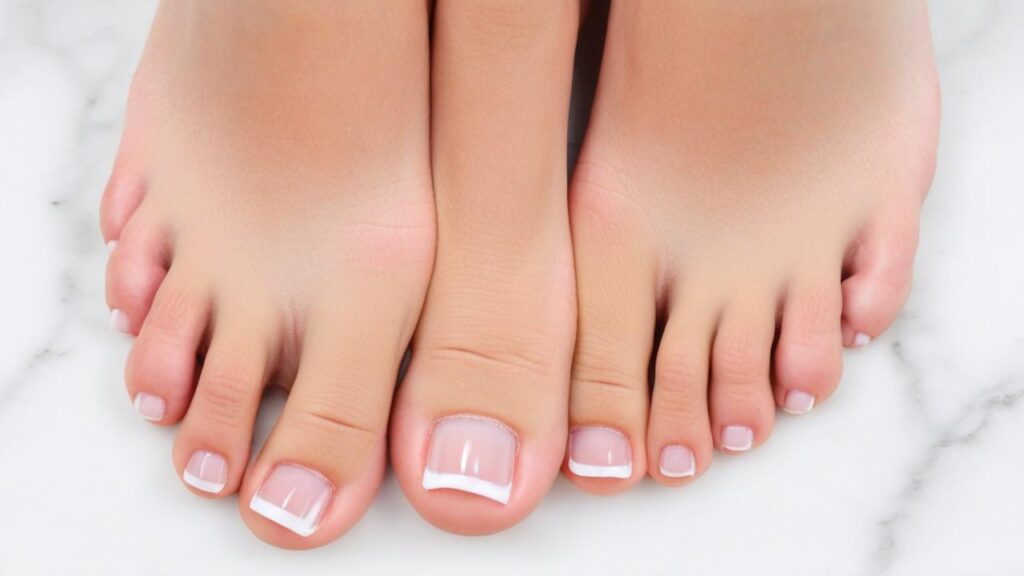
Prepare Your Supplies
Do your best to prepare before arriving at the nail salon; doing so will lead to more satisfying and effective services. Have your supplies, including candles and soothing music, to create an ambiance for a DIY pedicure station at home.
Fill a tub or foot spa large enough to hold both feet with warm water and add soothing ingredients—like sea salt and eucalyptus essential oil—for extra relaxation. Sundays’ founder recommends this.
Soak your feet for 10 minutes or so, and use a manicure stick or orangewood stick to gently push back the cuticles with your manicure stick or orangewood stick. Don’t cut your cuticles; doing so could result in damaged or ragged nails; leave this task for professional nail techs instead. After massaging some cuticle oil, such as Essie Apricot Cuticle Oil, to keep nails healthy, apply a base coat to prevent chips in the polish later.
Soak Your Feet
Starting any good pedicure is with an effective soak, designed to soften tough skin and cuticles for easier grooming steps ahead. Fill your favorite pedicure basin (or regular bathtub) with warm water, adding soothing bath salts or essential oils like tea tree oil for an enhanced experience.
Once soaked, use a gentle soap or foot cleanser to scrub away dirt and dead skin cells that have accumulated after soaking. This will aid the next steps more smoothly while also helping prevent infections or fungal growth between salon visits.
An alternative option for at-home foot soaks is mixing vinegar with warm water. This antimicrobial foot soak leaves skin feeling fresh. Just be sure to rinse away and dry completely afterward!
Trim and Shape Nails
Trim your nails to the length you prefer using nail clippers and file. Choi recommends trimming long nails to resemble their natural shape (usually somewhere between round and pointed) to reduce the risk of ingrown toenails as they grow longer.
Once your nails have been trimmed, use a nail file to gently soften their edges and prevent any bumps or snags from forming under your polish. Doing this will also help avoid any unwelcome bumps emerging during painting sessions.
Once filed, use a cotton ball saturated in non-acetone nail polish remover to cleanse each nail of any oils or residue that could prevent its polish from adhering properly. Although this step is optional, it will ensure your pedicure lasts as long as possible. Finish it off by applying a base coat that prevents any color from chipping too soon before adding a clear top coat; one that contains shea butter and avocado oil might even make this more durable top coat option an even better idea.
Care for Cuticles
After completely drying your nails, apply a thin coat of cuticle oil. This step helps prevent your polish from chipping prematurely; nail oils can be found at beauty supply stores or drugstores; however, basic vegetable oils (olive, jojoba, or apricot oil are suitable alternatives). Using darker nail polish hues is essential since staining or yellowing could occur otherwise.
Cuticles are small strips of skin found at the base of your nails between your lunula and eponychium that contain living skin cells. It’s important to properly maintain and care for your cuticles to avoid bleeding, ingrown toenails, or infection from cutting them or over-filing. Instead, Yankee recommends gently pushing back skin with a soft pusher; any too harsh could cause microtrauma; gentle pumice stone scrubbing can also be an effective alternative to harsh grater styles like harsh graters – gentle pushers don’t hurt either!
Exfoliate and Smooth Skin
Pedicures may be best known as relaxing spa experiences. Still, they also serve a practical purpose: pedicures can trim and shape nails, remove calluses from feet, and clean both skin and nails simultaneously.
Regular pedicures can help protect and promote the health of feet by helping to avoid infections and detect any changes or abnormalities in their appearance.
Avoid overexfoliating your skin to protect its delicate structure. Exfoliate only as needed to shed dead skin cells and soften your feet; excessive exfoliating could result in irritation, redness, and even cracking of the foot skin.
Use a foot scrub or exfoliating brush to eliminate dead skin and calluses on your feet. Beware of using razors or other tools that could cut into the soft skin of your feet! Once exfoliating is complete, be sure to moisturize your feet using something such as Adessa-30 Heel Liniment, which contains shea butter, jojoba oil, and other essential oils to hydrate them further and maintain their suppleness.
Moisturize Your Feet
While you soak your feet, apply a thick body lotion with rich nutrients to your toes and ankles to keep skin hydrated after all the scrubbing and soaking and smooth rough spots and calluses. This will also help soften rough patches on callus-prone spots!
If you’re in a rush, an esthetician such as Leanne Fagan suggests using a nail polish remover pad saturated with rubbing alcohol to quickly clean each nail surface, suggesting this product is a quick, safe, and efficient way to use at home.
Once your nails are dry, Brittney Glass recommends applying a layer of cuticle oil. This will hydrate your cuticles and extend the color of your pedicure – it should also help hydrate feet that may have become rough over time! She suggests choosing one from a wellness brand packed with essential fatty acids for soft, healthy feet.
Prep Nails for Polish
At-home pedicures require polish as the last step, with several layers applied before proceeding to prevent clumping and streaking. Applying cuticle oil before painting your nails can also help keep them from lifting, explains esthetician Sana Dhanani.
She recommends applying oil with a cotton pad (not a ball) and leaving it for 60 seconds before pushing back cuticles using either metal or wooden nail pusher sticks. You can also use nail nippers to cut away dead skin around nails–just be careful not to accidentally damage live tissue!
Filing your nails properly means filing them straight across rather than rounded, which could lead to ingrown toenails. If you have trouble with calluses, try using a foot file that will smooth away rough skin without being too harsh on your nails. Once finished, seal off your pedi with a quick-drying top coat for protection and long-lasting beauty!
Apply Nail Polish
As the final step of your pedicure, apply a top coat. This will extend its durability while giving it an exquisite, shiny finish.
Provided you have all the supplies, performing a DIY at-home pedicure is as straightforward (if not simpler!) as getting it from a nail salon. Lin recommends keeping nail clippers, files, cuticle oil, polish remover, and some beautiful springtime nail colors handy to complete this experience.
An extra bit of preparation goes a long way: before painting your nails, use a cotton pad soaked in rubbing alcohol to wipe down each surface and remove any oily residue that could prevent the polish from adhering properly. You may also add cuticle oil as part of this step to extend its effectiveness even more.
Once your feet are clean and dry, apply a generous dollop of moisturizer. Massage them for several minutes to promote circulation and help the moisturizer absorb into their pores faster.

It’s remarkable to visit this website and reading the views of all mates on the topic of
this piece of writing, while I am also keen of getting
familiarity.
Fantastic beat ! I would like to apprentice while you amend your site, how could i subscribe for a blog site?
The account helped me a acceptable deal. I had been a little bit acquainted of this your broadcast offered bright clear idea
hello!,I really like your writing so a lot! share we keep up a correspondence more about your post on AOL?
I need a specialist on this house to unravel my problem.
May be that is you! Having a look forward to look you.
If some one needs to be updated with latest technologies afterward he must be go to see this web site
and be up to date all the time.
Rolex, Omega, TAG Heuer oder Breitling? Die Auswahl an Luxusuhren Marken ist sehr
vielschichtig und bevor man sich für eine luxuriöse Armbanduhr entscheidet, sollte man vorher genau wissen, was man kauft.
Auch innerhalb der Marken von Luxusarmbanduhren gibt es große Preisunterschiede.
Eine vordergründige Eigenschaft (und damit oft auch eine wesentliche
Kaufentscheidung) von Luxusuhren ist der Preis, welcher bei einigen hundert
bis zu mehreren Tausender tendieren kann. So kann man eine TAG Heuer Formula 1 Herrenuhr bereits für circa 1.000 Euro erstehen, während die Modelle aus der TAG
Heuer Carrera Serie schnell 4.000 Euro und mehr kosten. Auch
bei anderen Luxusuhren-Herstellern wie Longines, Cartier,
Maurice Lacroix, Glashütte, Chopard, Junghans oder
Hublot muss man tief ins Portmonee greifen, um sich
eine Luxusuhr kaufen zu können. Automatikuhren von Tissot
oder Certina bekommt bereits ab 500 Euro. Maßgeblich für den Kaufpreis
von Luxus-Armbanduhren ist erst recht Material sowie das Uhrwerk eines teuren Zeitmessers.
Neben der technischen Komponente spielen natürlich auch der Wert und die Exklusivität
der Marke einer Luxus-Uhr eine wesentliche Rolle beim Kaufpreis.
Uhrwerke der Superlative, wie das Chronographen Kaliber 4130 von Rolex dagegen gehören zur
absoluten Spitzenklasse und treiben den Preis einer damit ausgestatteten Herren-Luxusuhr schnell auf
circa 12.000 Euro. Im oberen Ende der Preisskala findet man hier bspw.
Luxus-Armbanduhren von Patek Philippe, welche oft nur im hohen fünfstelligen Preisbereich zu erstehen sind.
Luxusuhren wie die Perpetual Calendar, Gondolo oder Nautilus gehören mit zu den teuersten Luxus-Herrenuhren der Marke und bewegen sich zwischen 30.000 und 70.000 Euro.
Eine solch teure und luxuriöse Analoguhr ist dann aber nicht nur ein normalere Zeitmesser, sondern oftmals auch eine echte Geldanlage und beliebtes Erbstück in der
Familie.
Hello there I am so grateful I found your website, I really found you by mistake, while I was searching on Aol for something
else, Anyways I am here now and would just like to say many thanks for
a marvelous post and a all round exciting blog (I also love
the theme/design), I don’t have time to read through it all at the minute but I have saved it and also added in your RSS feeds, so when I have time I will be back to read much more,
Please do keep up the excellent job.
A motivating discussion is definitely worth comment. There’s no doubt that that you ought to write more about this topic, it may not be a taboo matter but usually folks don’t discuss such subjects.
To the next! Best wishes!!
It’s actually a great and helpful piece of info. I’m glad that you simply shared this helpful information with us.
Please stay us informed like this. Thank you for sharing.
Unquestionably believe that which you said. Your favorite justification appeared
to be on the internet the simplest thing to be
aware of. I say to you, I certainly get irked while people
think about worries that they just do not know
about. You managed to hit the nail upon the top and also
defined out the whole thing without having side-effects ,
people could take a signal. Will probably be back to get more.
Thanks
This information is priceless. How can I find
out more?
Rolex, Omega, TAG Heuer oder Breitling? Die Auswahl an Luxusuhren Marken ist
sehr vielschichtig und bevor man sich für eine luxuriöse Armbanduhr entscheidet,
sollte man vorher genau wissen, was man kauft. Auch innerhalb der Marken von Luxusarmbanduhren gibt
es große Preisunterschiede. Eine vordergründige Eigenschaft (und damit oft auch eine wesentliche Kaufentscheidung) von Luxusuhren ist der Preis,
welcher bei einigen hundert so weit wie mehreren Riese tendieren kann.
So kann man eine TAG Heuer Formula 1 Herrenuhr bereits für circa 1.000
Euro erstehen, während die Modelle aus der TAG Heuer Carrera Serie
schnell 4.000 Euro und mehr kosten. Auch bei anderen Luxusuhren-Herstellern wie Longines, Cartier, Maurice
Lacroix, Glashütte, Chopard, Junghans oder Hublot an der Zeit sein tief ins Portmonee greifen, um sich eine
Luxusuhr kaufen zu können. Automatikuhren von Tissot
oder Certina bekommt bereits ab 500 Euro. Maßgeblich für den Kaufpreis von Luxus-Armbanduhren ist umso mehr Material sowie das Uhrwerk eines teuren Zeitmessers.
Neben der technischen Komponente spielen natürlich auch der Wert
und die Exklusivität der Marke einer Luxus-Uhr eine wesentliche Rolle beim Kaufpreis.
Uhrwerke der Superlative, wie das Chronographen Kaliber
4130 von Rolex dagegen gehören zur absoluten Spitzenklasse und treiben den Preis einer
damit ausgestatteten Herren-Luxusuhr schnell auf circa 12.000 Euro.
Im oberen Ende der Preisskala findet man hier bspw.
Luxus-Armbanduhren von Patek Philippe, welche oft nur im hohen fünfstelligen Preisbereich zu erstehen sind.
Luxusuhren wie die Perpetual Calendar, Gondolo oder Nautilus gehören mit zu den teuersten Luxus-Herrenuhren der Marke und bewegen sich zwischen 30.000
und 70.000 Euro. Eine solch teure und luxuriöse Analoguhr ist
dann aber nicht nur ein normalere Zeitmesser, sondern oftmals auch eine
echte Geldanlage und beliebtes Erbstück in der Familie.
I needed to thank you for this very good read!! I absolutely enjoyed every little bit of
it. I have got you book-marked to look at new things you
post…
Also visit my site idn slot
Very great post. I simply stumbled upon your blog and wished
to say that I have truly enjoyed browsing your blog posts.
After all I’ll be subscribing on your feed and I hope you write
once more very soon!
Magnificent web site. Plenty of helpful information here.
I am sending it to several pals ans additionally sharing in delicious.
And of course, thanks for your effort!
It’s perfect time to make some plans for the future and it is time to be happy.
I have read this post and if I could I desire to suggest you some interesting things or tips.
Maybe you can write next articles referring to
this article. I desire to read more things about it!
Hey are using WordPress for your site platform? I’m
new to the blog world but I’m trying to get started and set up my own. Do you require any coding knowledge to make your own blog?
Any help would be really appreciated!
I’m really loving the theme/design of your blog. Do you ever run into any browser compatibility
issues? A number of my blog audience have complained about my website not working correctly in Explorer but looks great in Chrome.
Do you have any recommendations to help fix this problem?
Aluminium kann sehr leicht bearbeitet und
gesund und munter gebracht werden, ist jedoch energieaufwändig in der Herstellung.
Kunststofffenster enthalten inmitten des Rahmens und des Flügels meist Verstärkungen aus Aluminium, Stahl oder glasfaserverstärktem Kunststoff (GFK).
Nachteilig kann die relativ große Rahmenstärke im Verhältnis zur
Glasfläche sein. In Ausführungen mit thermischer Trennungzwischen innerem und äußerem Teil-Profil werden sie aufgrund ihrer hohen Festigkeit
auch in öffentlichen Bereichen mit erhöhten Beanspruchungen eingesetzt
oder wenn besonders schlanke Rahmen und Sprossen gefordert sind.
Stahlfenster aus einfachen Winkelprofilen werden gelegentlich noch für
einfache Fenster ohne Ansprüche an Wärme- und Geräuschdämmung verwendet.
Der Höhenunterschied wird als TRAV-Höhe bezeichnet und ist in von Bundesland zu Bundesland verschieden. Verglasungen ab einer
gewissen Absturzhöhe müssen, wenn eine entsprechende Absturzsicherung fehlt, so ausgeführt
werden, wie es die Technischen Regeln für die
Verwendung von absturzsichernden Verglasungen (TRAV) vorsehen. Sie
ist in der jeweiligen Landesbauordnung (LBO) nachzulesen. Die Verglasung ist zumeist
so aufgebaut, dass innen ein Einscheibensicherheitsglas und außen ein Verbundsicherheitsglas verwendet wird.
Everything is very open with a really clear description of the issues.
It was definitely informative. Your site is very useful.
Thanks for sharing!
An outstanding share! I’ve just forwarded this onto
a friend who was doing a little homework on this. And he actually bought me breakfast
because I discovered it for him… lol. So allow me to reword this….
Thanks for the meal!! But yeah, thanks for spending time
to talk about this subject here on your web page.